Audio exhibition · 9 stops
The Raftsmen
Down the Vistula to Gdańsk, 16th–20th century
Where: On site or from home, in the app
Stops in this exhibition
The whole exhibition is in the Vernissio app, free.
-
1
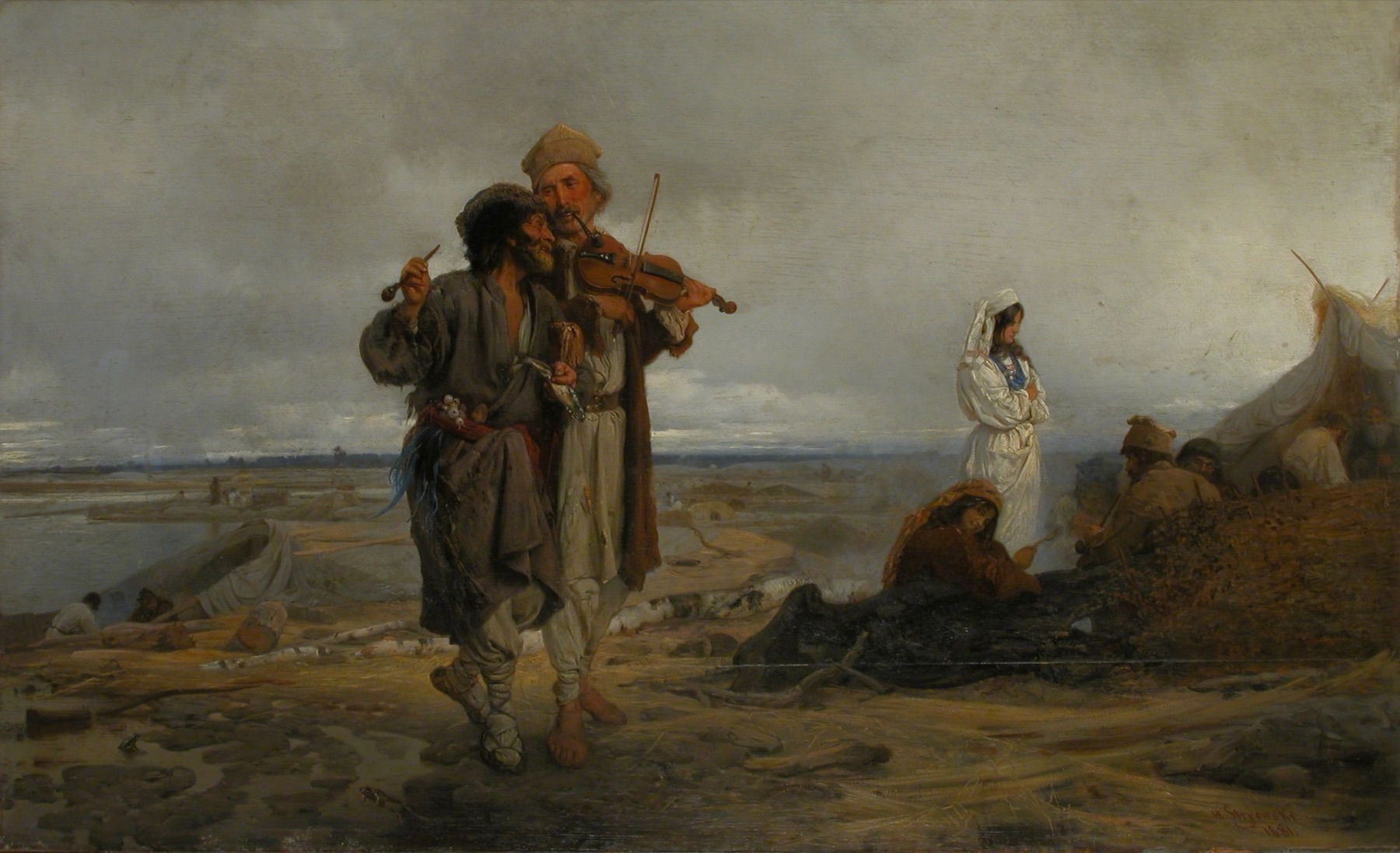
Raftsmen by the Vistula
In 1881 the Gdańsk painter Wilhelm August Stryowski painted raftsmen resting by the Vistula. Floating goods downriver, known as flis, was one of the most important means of transport in Poland before the partitions. Most of the grain and timber travelled down the Vistula to Gdańsk. In the 19th century the number of raftsmen fell as the railways took over the goods.
-
2
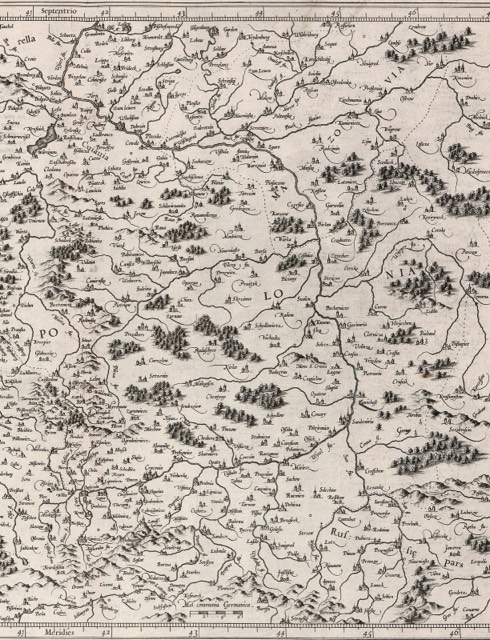
From the San to Gdańsk
Gerard Mercator's map of Poland and Silesia, published in Duisburg in 1585. It shows the San, which joins the Vistula near Sandomierz, and further on Warsaw, Płock and Toruń. Raftsmen from Ulanów, a town where the Tanew flows into the San, travelled down the San and the Vistula all the way to Gdańsk, carrying timber and grain. The map ends at Grudziądz. Gdańsk lies beyond its edge.
In the app -
3
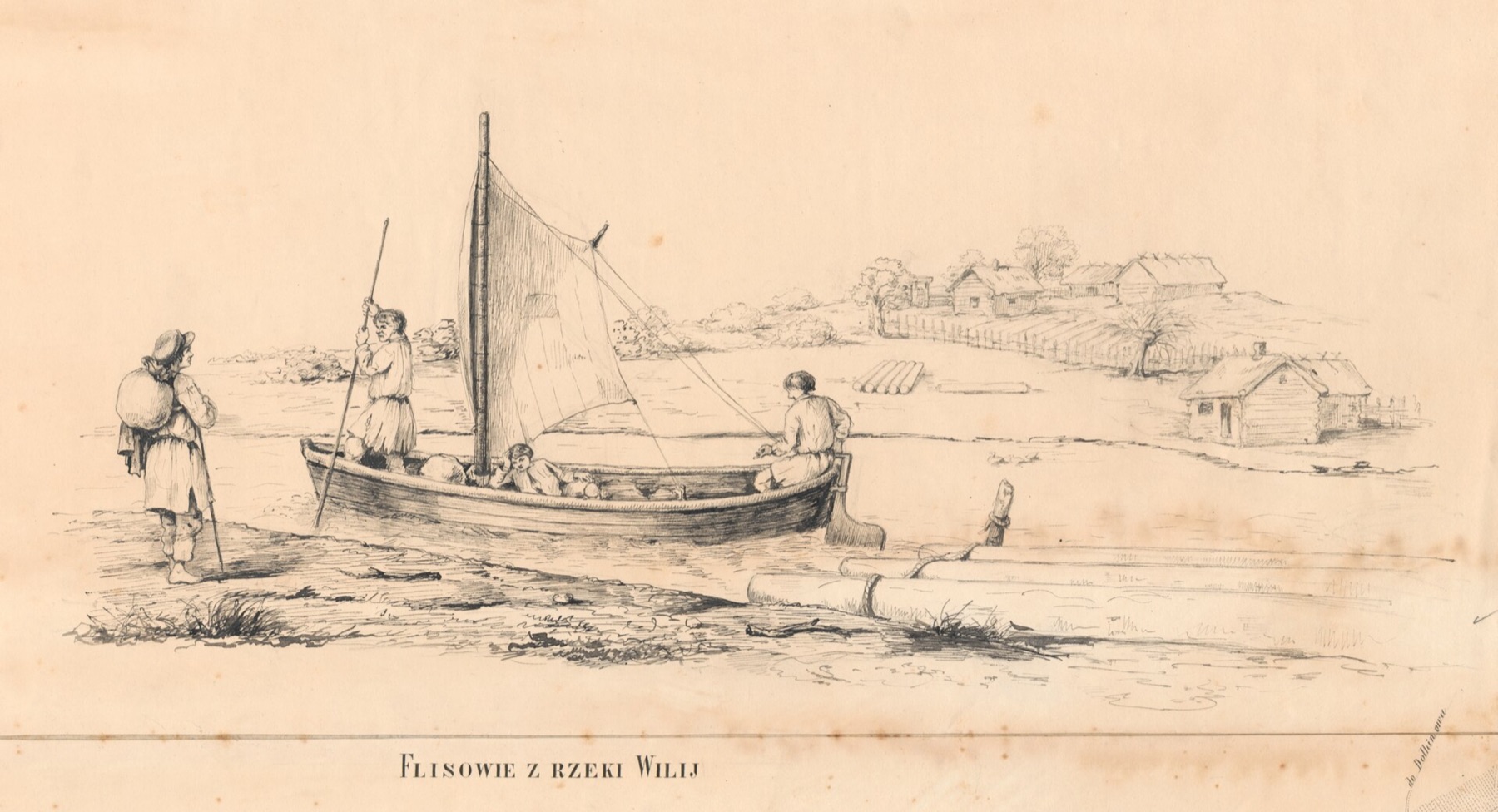
The pilot goes first
A vignette from a map of the Wilia (Neris) river, 1857, shows raftsmen by a boat and logs floating downstream. Ahead of the rafts, in a small canoe, went the rotman, or retman: the man who knew the river best. With shouts, and signals made with an oar or his cap, he showed the way through the current and warned of shallows. The rafts were steered with oars, which in Ulanów were called drygawki.
In the app -
4
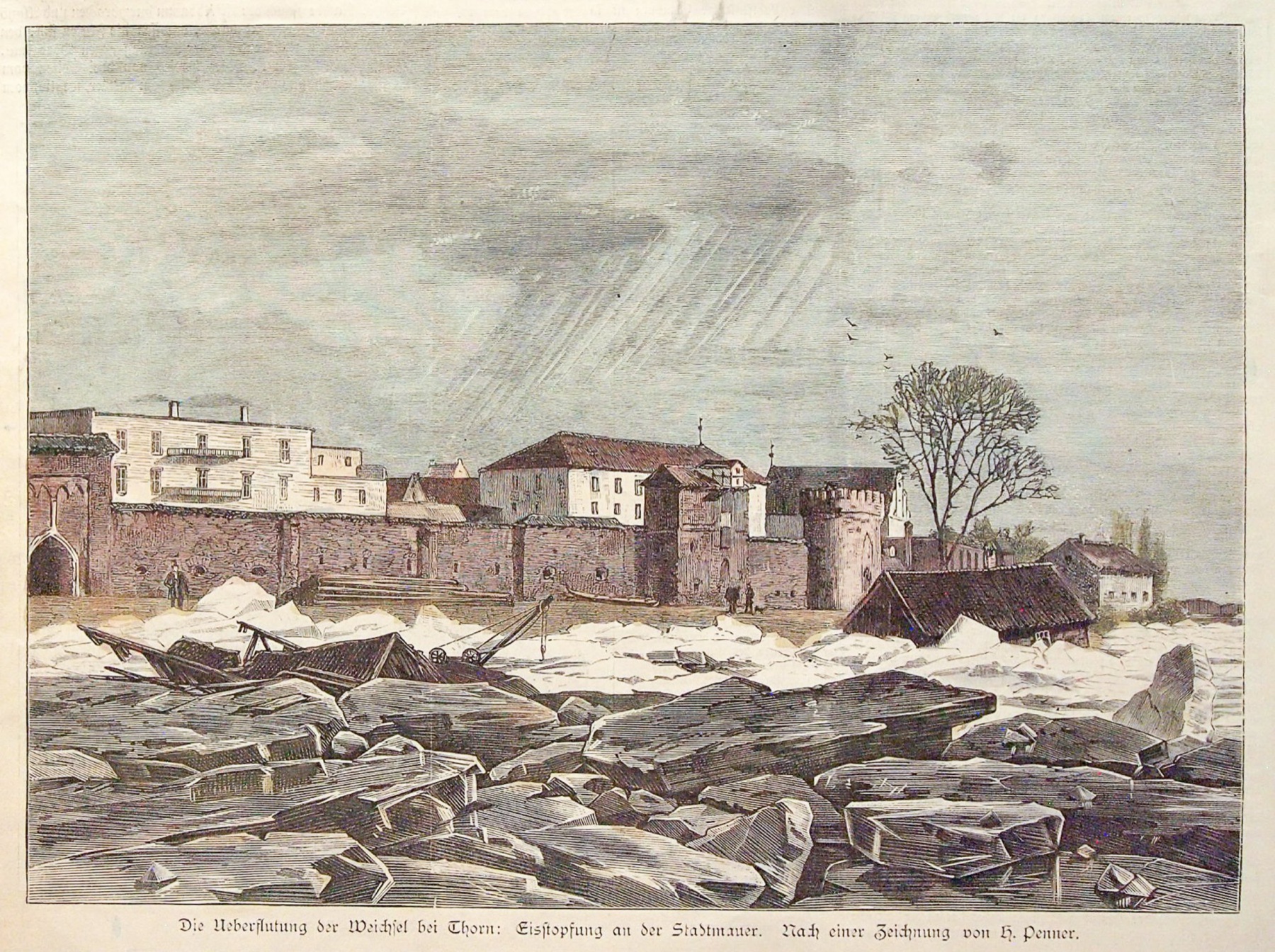
Toruń and the ice floes
Toruń was one of the towns where raftsmen's guilds were founded at the turn of the 16th and 17th centuries. In 1595 Klonowic called it “well built and rich in virtue”. The river could also be dangerous: a woodcut after a drawing by Hermann Penner shows an ice jam beneath the walls of Toruń when the Vistula flooded in 1879.
In the app -
5
The raftsmen's camp
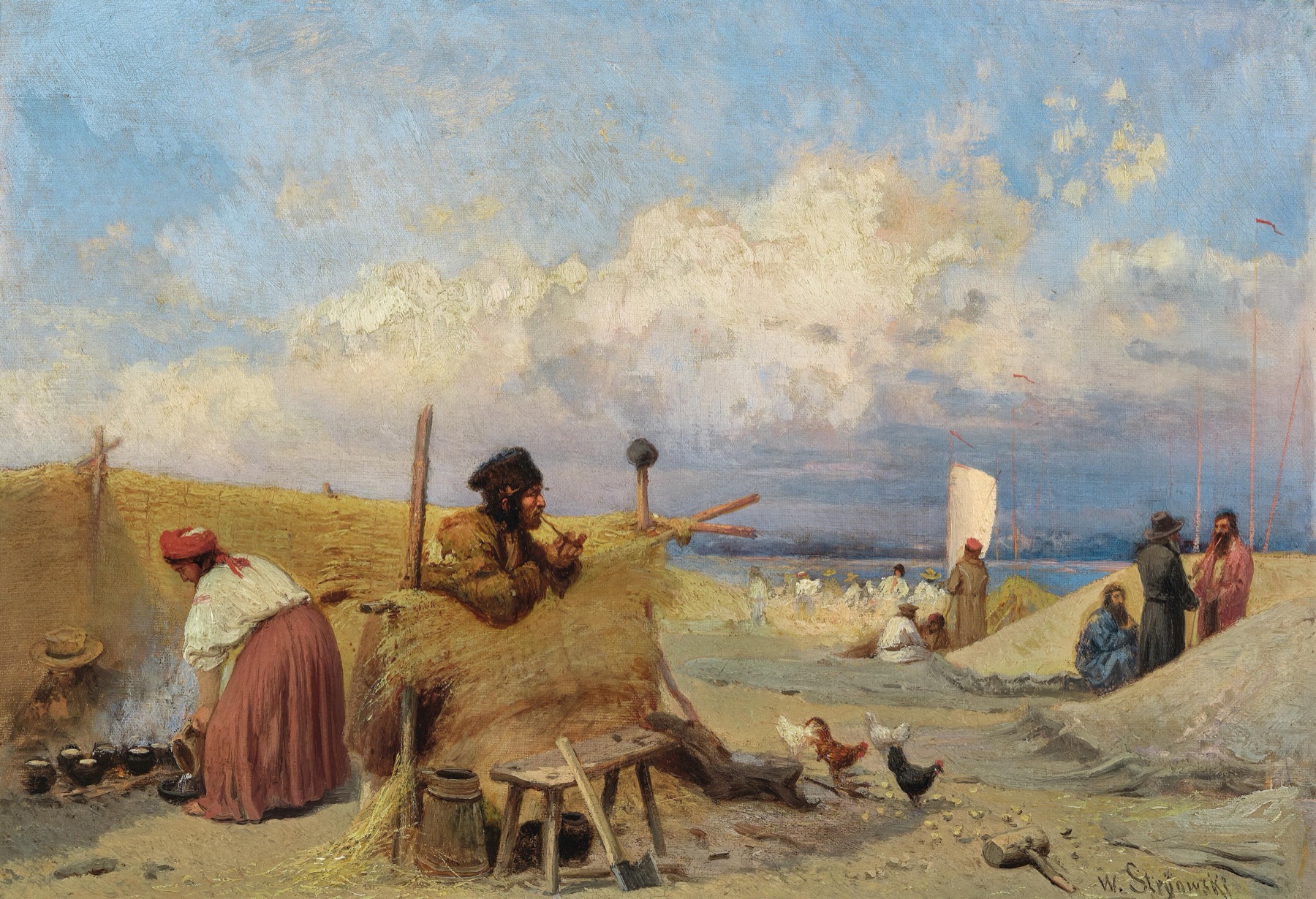
Stryowski's second painting shows a raftsmen's camp by the Vistula: a fire with pots, a shelter of poles and straw, hens on the sand and sails in the background. The raftsmen had their own dialect, customs and songs. Klonowic mentions a song about Saint Barbara that the rotman taught the young raftsmen. The raftsmen's brotherhood in Ulanów, founded in 1991, is named after Saint Barbara.
In the app -
6
The novice near Gniew
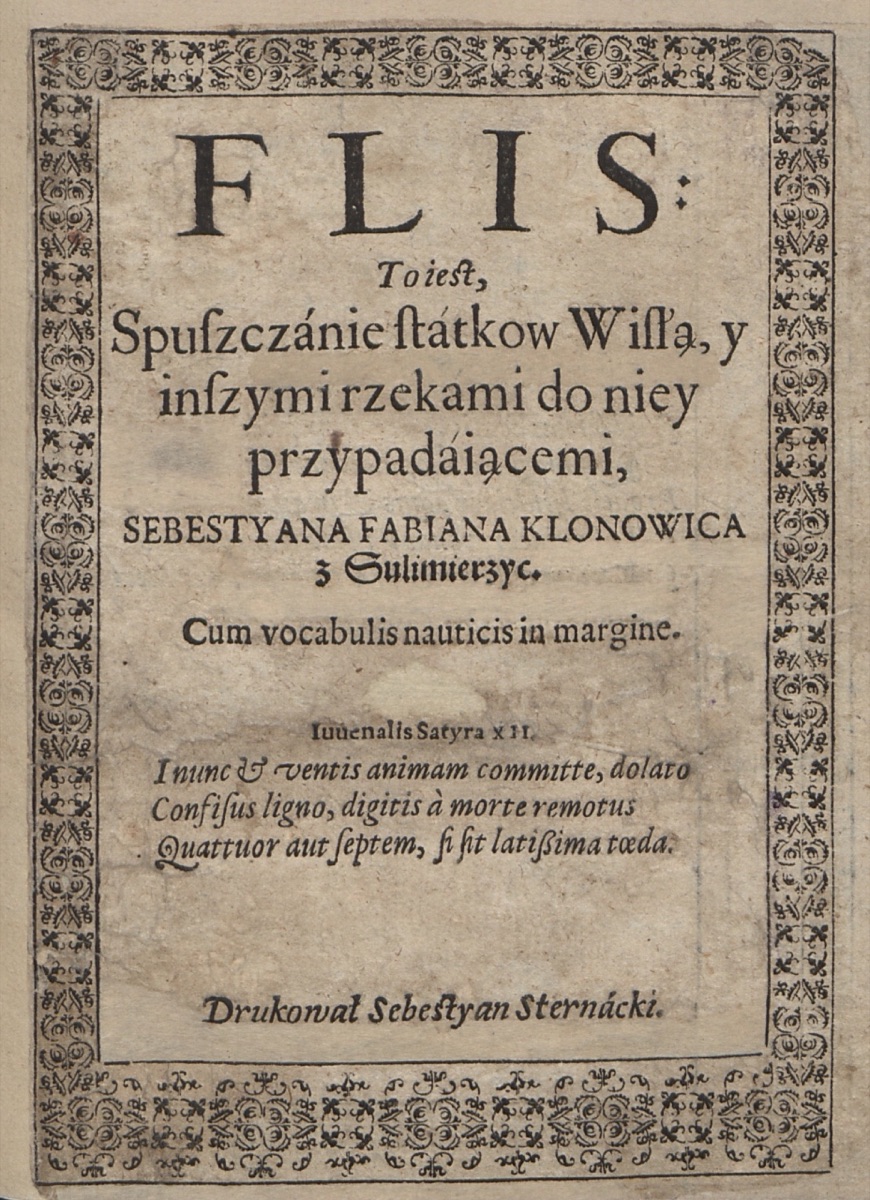
Sebastian Fabian Klonowic's poem “Flis, to jest spuszczanie statków Wisłą” (“Rafting, that is, floating vessels down the Vistula”) was first published in 1595. It describes the journey to Gdańsk and the initiation of newcomers: below Gniew, at a river island the raftsmen called the Kitchen, the novices, known as fryce, were struck with a blunt wooden sabre. They were to remember that to the left the Vistula leads to Gdańsk, and to the right the Nogat leads to Elbląg. After that they were called brothers. The photograph shows the title page of an edition from 1603–1635.
In the app -
7
Gdańsk, journey's end
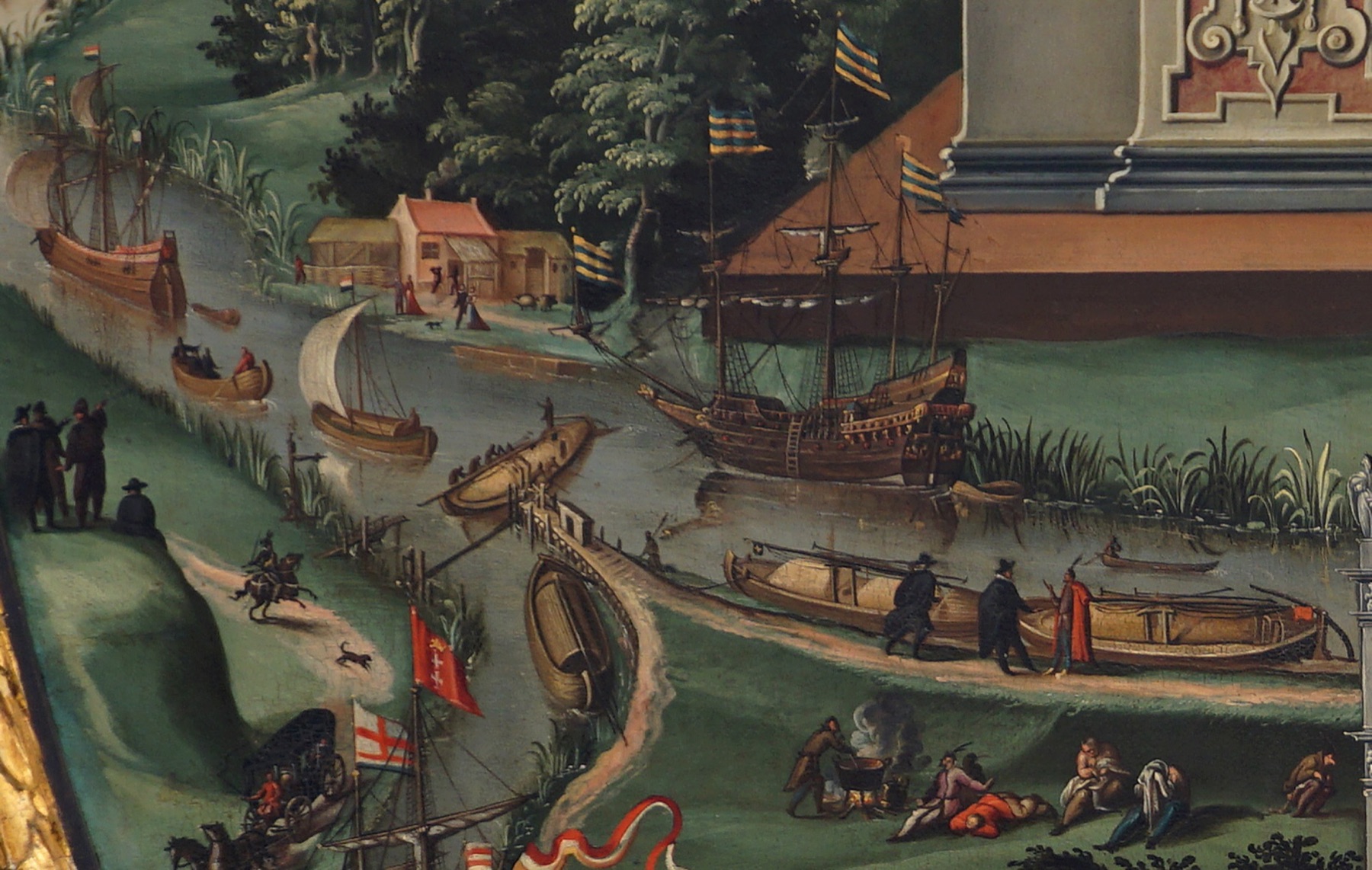
A detail of the “Apotheosis of Gdańsk” by Isaac van den Blocke, 1608, a painting from the ceiling of the Red Room in the Main Town Hall. Boats loaded with goods sail on the river, raftsmen cook over a fire on the bank, and further on, sea-going sailing ships are waiting. Gdańsk was the largest port the rafts travelled to. Grain was the cargo most often floated downriver.
In the app -
8
The Crane on the Motława
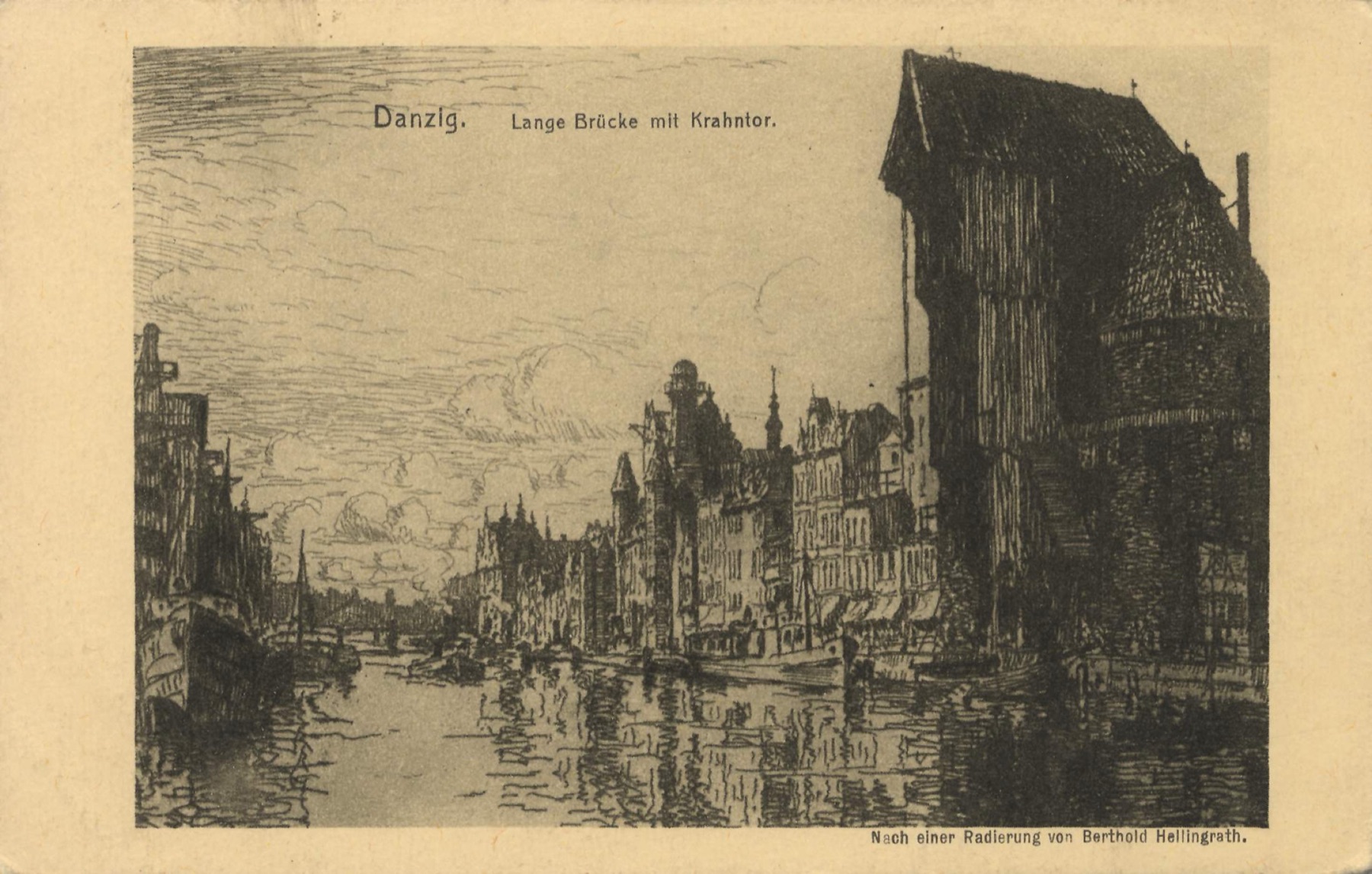
The Crane on the Motława is the largest and oldest surviving port crane of medieval Europe. It was built in its present form in 1442–1444. It was powered by people walking inside two pairs of treadwheels about six metres across. It lifted two tonnes to a height of 27 metres. It was used to load goods and to raise ships' masts. In Gdańsk, Klonowic admired the “intricate hoist” and the granaries.
In the app -
9
Walking home
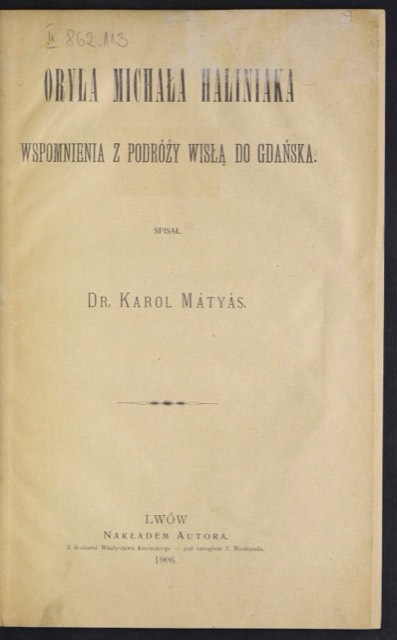
After selling the goods, the raftsmen walked home. According to accounts from Ulanów, a two-week quarantine awaited them when they got back. The ethnographer Karol Mátyás wrote down the memories of the raftsman Michał Haliniak of Rzeczyca Długa, who floated timber down the Vistula in 1901. The last rafting trip set out from Ulanów in 1968. In 2022 UNESCO added rafting to its list of the Intangible Cultural Heritage of Humanity.
In the app